The Role of Education in Breaking the Poverty Cycle
Poverty and poor health reinforce one another. Illness drains families financially, while a lack of resources restricts access to prevention. Breaking this cycle requires more than supplies—it requires knowledge. Healthbridge makes learning central, ensuring that every donation in the United States strengthens healthcare systems today while laying the groundwork for global expansion tomorrow.
Poverty and Health
According to the World Bank, poor health reduces global productivity by trillions of dollars each year. The economic toll is staggering, but the human cost is even greater. In the U.S., families in low-income communities are often forced to choose between urgent treatment and basic survival needs such as food, rent, or utilities. When parents must ration medicine or postpone care because of cost, illness worsens, and the cycle deepens.
Preventive healthcare—things as simple as vaccines, regular checkups, and health education—could reduce much of this burden. Yet prevention often requires upfront resources that many households cannot access. Without opportunities for learning and strong health literacy, families are left vulnerable. The result is that illnesses which could have been prevented or managed early become chronic, life-threatening, and financially devastating.
Knowledge as a Multiplier
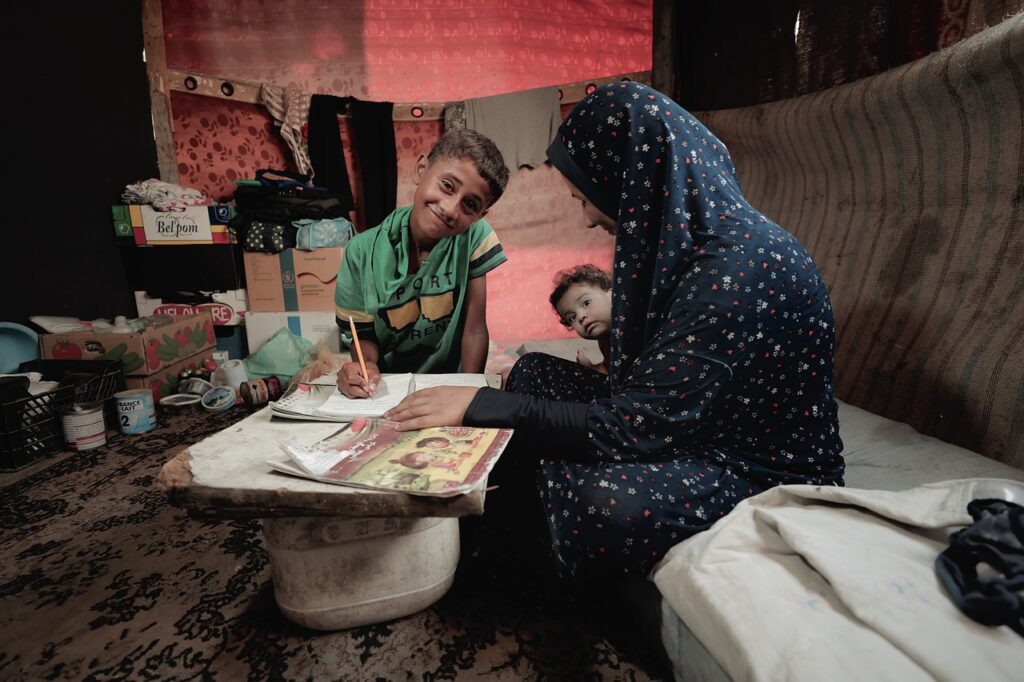
Knowledge multiplies the impact of every intervention. UNICEF reports that children of educated mothers are twice as likely to survive infancy compared to those whose mothers lack formal instruction. This single fact underscores the ripple effect of knowledge: when caregivers understand health basics, they make choices that save lives.
Closer to home, U.S. clinics that integrate patient guidance and staff training see measurable improvements. They report fewer shortages, fewer emergency visits, and better outcomes for patients managing chronic conditions like diabetes or hypertension. Even small interventions—like teaching a patient how to store insulin correctly during a power outage—can prevent tragedy.
Learning does not simply add value—it ensures that progress endures. Every donated box of supplies becomes far more impactful when paired with the ability to use, store, and maintain it correctly.
Training Healthcare Workers
Supplies alone cannot guarantee care if systems are fragile. Healthbridge envisions equipping American healthcare workers and volunteers with practical training that strengthens local clinics. Training is designed to cover both immediate needs and long-term resilience:
- Safe handling of medicines and equipment reduces waste and prevents harmful errors.
- Forecasting and planning ensures that shelves don’t run bare, even during emergencies.
- Equipment maintenance keeps donated machines running for years, not months.
- Campaign organization prepares local teams to launch vaccination drives and community outreach quickly and effectively.
These skills are not abstract—they translate into real results. A rural clinic able to maintain its donated refrigeration unit can store vaccines safely for months. A small-town nurse trained in supply forecasting can prevent critical shortages of antibiotics. By building these skills, donations become more than temporary relief—they become part of resilient, long-term systems.
Empowering Patients Through Health Literacy
Supplies save lives, but knowledge sustains them. Healthbridge supports programs across the U.S. that empower patients to make informed decisions about their health. Health literacy is about more than reading a prescription label—it is about understanding how to manage illness, when to seek care, and why preventive practices matter.
These programs focus on:
- Building vaccine confidence in communities where misinformation has sown doubt.
- Teaching medication adherence, ensuring that antibiotics are finished fully and chronic medications are taken consistently.
- Promoting preventive practices such as handwashing, balanced nutrition, and early screenings.
When patients understand the “why” behind treatment, they are far more likely to follow through. This improves outcomes not just for individuals but for entire families who depend on them. A father who learns how to manage his blood pressure avoids hospitalization. A child taught about hygiene brings that knowledge home, reducing illness for siblings. The impact multiplies.
Communities Impacted
The role of health literacy can be seen across diverse American communities:
- In Appalachian schools, health lessons integrated into the classroom help children carry knowledge home to their families.
- In Texas border towns, where access to doctors is limited, workshops equip families to manage chronic conditions with confidence.
- At refugee resettlement centers, newcomers learn how to navigate local clinics, where to find medicine, and the importance of preventive care.
And while Healthbridge begins its focus here in the U.S., global lessons already prove the model works. For example, maternal health training in rural Kenya has significantly reduced preventable deaths by empowering women with knowledge about prenatal and newborn care. These successes inspire Healthbridge’s vision for eventual international expansion once American communities are properly served.
Breaking the Cycle
Training and awareness do more than improve health outcomes in the present—they strengthen communities for the future. An informed mother makes better choices about vaccinations. A trained health worker prevents supply chain breakdowns. A student who learns about hygiene prevents illness at home.
Over time, these small steps accumulate into generational change. A healthier child is more likely to attend school. A family that avoids preventable medical debt is more likely to remain stable. A community with reliable healthcare infrastructure is better prepared to withstand disasters like hurricanes, heatwaves, or pandemics.
Knowledge strengthens families, builds resilience, and creates communities capable of breaking the poverty cycle—both in America and, eventually, abroad.
Conclusion
Knowledge ensures that generosity lasts. Supplies without training are temporary; supplies paired with learning endure. By placing education and health literacy at the heart of its mission, Healthbridge ensures that every contribution strengthens communities here in the U.S. while laying the foundation for sustainable global impact in the future.
Why Your Support Matters
With just $25 a month, your support delivers more than $500 worth of lifesaving supplies to underserved U.S. clinics—at no cost to patients. Healthbridge partners with hospitals, manufacturers, and volunteers to turn surplus into second chances, strengthening fragile health systems in rural towns, urban neighborhoods, and Indigenous communities.