
Empowering Women Through Education and Opportunity
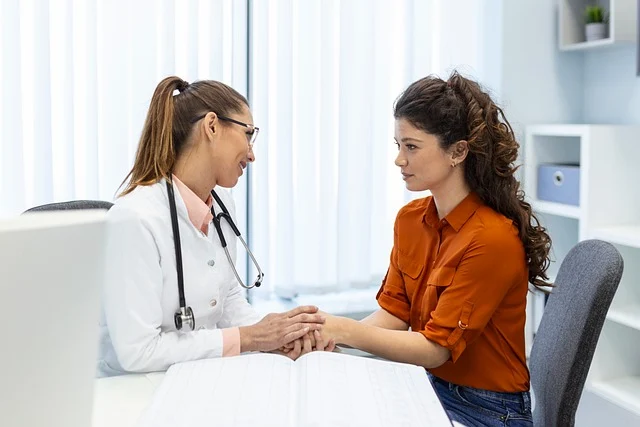
Empowering Women Through Education and Opportunity
When families thrive, entire communities thrive. Women are often the backbone of caregiving, but they do not carry the responsibility alone. Healthbridge ensures that both women and their families have access to resources, training, and opportunities that multiply impact across generations. By supporting caregivers, equipping healthcare workers, and strengthening household health, we build systems that endure.
Families in Healthcare
Globally, women make up 70% of the healthcare workforce (World Health Organization), yet they occupy less than one-third of leadership roles. In the U.S., women remain central to family health—coordinating care for children, spouses, and aging relatives. They manage appointments, monitor prescriptions, and often make decisions about nutrition and preventive care. Yet despite their outsized role, women are frequently under-resourced and under-recognized.
When women are equipped to lead, families benefit. Evidence shows that stronger vaccination coverage, reduced maternal and child mortality, and improved trust in local clinics ripple outward to entire households. But caregiving is not limited to women alone—grandparents, fathers, and extended relatives often contribute to keeping families healthy. By empowering families as a unit, Healthbridge ensures that no one is left behind.
Why Access Matters
Scarcity affects families unevenly, but it is often women who absorb the greatest burden. They are the ones who ration antibiotics between children, postpone a doctor’s visit for themselves, or stretch prescriptions to last longer than they should. Fathers and other caregivers face difficult trade-offs too—choosing between paying for medicine or groceries, between taking time off work to care for a sick child or keeping a job to cover rent.
Healthbridge helps remove these impossible choices by ensuring donated supplies and medicines reach families free of charge. From antibiotics for children to insulin for diabetic parents or blood pressure medication for grandparents, access transforms impossible trade-offs into peace of mind. When families can count on healthcare, they no longer need to choose between survival needs and medical care.
Learning as Empowerment
Supplies are vital, but training extends their value. Healthbridge envisions programs across underserved U.S. communities that prepare caregivers and health workers alike to manage resources and guide families. Training focuses on:
- Supply managementto ensure donations reach patients without waste.
- Organizing vaccination campaignsin rural towns and urban neighborhoods.
- Sharing preventive knowledgeabout hygiene, nutrition, and chronic disease care.
Education is not limited to professionals. Caregivers themselves benefit from learning how to monitor conditions like asthma, manage diets for chronic illnesses, and encourage preventive practices within their households.
According to UN Women, communities with women leaders experience higher vaccination rates and lower maternal mortality. When that leadership is extended to families as a whole, resilience grows even stronger. Families who are equipped with both resources and knowledge can prevent crises before they happen, saving both lives and costs.
(Related: see The Role of Education in Breaking the Poverty Cycle to learn how knowledge sustains healthcare progress across generations.)
Communities in Focus
Family health challenges vary widely across America, reflecting diverse geographies and histories:
- In Arizona farmworker towns, mothers ensure children receive basic care even when clinics are underfunded and hours are limited.
- On the Navajo Nation, extended families come together to support elders, with grandchildren often stepping in as caregivers when services are hard to access.
- In rural South Carolina, small family-run clinics provide continuity of care, where trust between providers and patients is passed down across generations.
- In urban neighborhoods like Detroit, where economic pressures are high, families rely on strong caregiving networks to navigate chronic illnesses.
These examples remind us that supporting women strengthens families, and strengthening families strengthens entire communities. Each household becomes a node in a larger web of care.
Building Trust
Healthcare is not only clinical—it is relational. Families must feel confident in their care, and trust often determines whether medicines are taken, vaccines accepted, and preventive measures followed. Misinformation, fear, and historical inequities can undermine that trust, especially in marginalized communities.
Women, deeply embedded in daily family and community life, are natural builders of trust. Fathers, grandparents, and siblings contribute too, reinforcing the message that health choices are family decisions. Healthbridge strengthens these natural bonds by ensuring that resources, training, and accurate information reach not just clinics but households themselves. When families are confident, communities are healthier.
A Human Perspective
Picture a rural Alabama family preparing for a vaccination campaign. The mother reassures parents in her community, coordinating logistics and building confidence. Her husband helps distribute supplies, ensuring safe handling and record-keeping. Their teenage children volunteer to support outreach, sharing information with classmates and neighbors.
This is not just a campaign—it is a family effort that strengthens the health of an entire town. The donated supplies make the campaign possible, but it is the family’s unity, training, and commitment that turn resources into resilience. Multiply this story across hundreds of communities, and the power of family-centered healthcare becomes clear.
Conclusion
Empowering women within their families is one of the most effective ways to strengthen communities. But the vision must extend to households as a whole, where caregivers of all kinds play critical roles. Healthbridge ensures that women, caregivers, and families alike have the tools they need to thrive.
By starting in U.S. communities and building outward, we lay the groundwork for global expansion in the future. The lesson is simple: strengthen families, and you strengthen society. Healthbridge pairs supplies with learning and leadership opportunities, ensuring that every box of donated medicine becomes part of a much larger story of trust, resilience, and hope.
Healthbridge strengthens women, families, and communities by pairing supplies with learning and leadership opportunities.