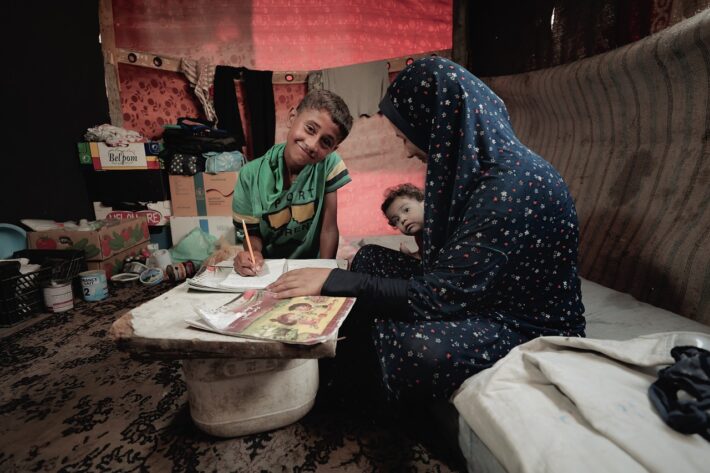
Humanitarian Aid in Times of Crisis and Calamity
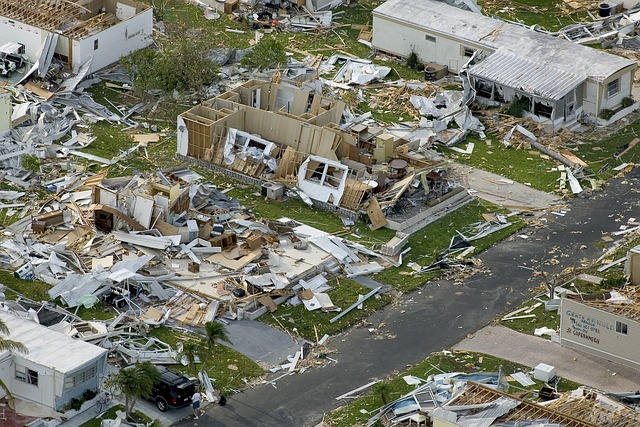
Disasters That Disrupt
Natural and human-made disasters strike with little warning, but their impact on health systems is profound and often devastating.
- Hurricane Helene (2024)left families across Southern Appalachia without refrigeration for medicines. Life-saving insulin, vaccines, and antibiotics spoiled within hours of power outages.
- Wildfires in Californiaforced thousands to evacuate, many leaving behind prescriptions and medical eq uipment. Patients with asthma or heart conditions suffered most.
- Texas ice storms froze supply chains, cutting off insulin, antibiotics, and even basic supplies like IV fluids. Clinics in rural areas were left scrambling for alternatives.
- Pakistan floods (2022) submerged clinics, destroyed storage facilities, and left millions without reliable care for weeks.
Each event revealed the fragility of healthcare systems under stress. Even in well-resourced nations, critical gaps become evident the moment infrastructure collapses.
Why Aid Often Fails
When disaster strikes, help usually arrives—but not always in the right form or at the right time. Aid falters for predictable reasons:
- Delays in arrival, sometimes weeks too late for the most urgent needs.
- Shipments that do not match actual demand, like receiving surgical tools when antibiotics are needed.
- Neglect of chronic illnesses such as diabetes or hypertension, which can become fatal if left untreated during emergencies.
- Lack of preventive action, allowing outbreaks of preventable diseases to spread in shelters and displaced communities.
The United Nations estimates that up to 40% of donations during crises go unused because of these shortcomings. Good intentions are not enough. Without careful planning, generosity is wasted, and families are left to suffer.
(Related: see Volunteering Abroad and Making a Difference to learn how volunteers play a frontline role when disasters strike.)
A Smarter Model
Healthbridge is building a smarter approach to humanitarian aid—one that is both proactive and precise. Our model emphasizes readiness long before disasters hit:
- Pre-assembled medical kits designed for rapid deployment, including insulin, wound care, and vaccination supplies.
- Diverse sourcing from hospitals, manufacturers, and community drives, ensuring that shortages in one channel do not cripple response.
- Volunteer expertise from doctors, nurses, pharmacists, and technicians, guaranteeing safe handling, accurate labeling, and proper use of supplies.
Supplies are always provided free to patients, removing cost as a barrier at the very moment when families can least afford it. By focusing on preparedness, Healthbridge ensures that relief efforts are not improvised after the fact but delivered swiftly and effectively when needed most.
Relief and Recovery
Disaster response cannot end when the headlines fade. Too often, aid floods in during the immediate aftermath but dries up as media attention shifts elsewhere. Communities are left facing an “aid cliff,” where the sudden absence of support is nearly as damaging as the disaster itself.
Healthbridge designs its approach to transition seamlessly from immediate relief into ongoing recovery. Supplies are replenished consistently, volunteers remain engaged, and training programs equip local staff to handle longer-term needs. This ensures that families are not abandoned once the initial crisis passes. Sustainable aid systems help communities rebuild stronger, more resilient healthcare infrastructure for the future.
Communities on the Frontlines
Disasters do not discriminate, but certain communities are hit harder because they already live on the margins of healthcare access:
- Gulf Coast towns, battered year after year by hurricanes, often struggle to maintain reliable supply chains.
- Montana reservations, where flooding can isolate communities for weeks, leaving clinics without deliveries.
- Detroit neighborhoods, where economic disparities make residents especially vulnerable to extreme heatwaves.
- Caribbean islands, devastated repeatedly by typhoons, where dependence on imports makes disruptions catastrophic.
These examples show that vulnerability is not only about geography but about fragility in existing systems. By reinforcing these frontline communities, Healthbridge ensures that when disaster comes, survival does not depend on luck or location.
A Human Perspective
Picture a diabetic patient in a Gulf Coast town after a hurricane. Without refrigeration, her insulin spoils within hours. Pharmacies are closed, clinics are out of stock, and roads are blocked by debris. Days quickly become life-threatening.
Now imagine a pre-prepared Healthbridge kit arriving in her community—insulin vials intact, syringes included, and clear instructions for storage and use. In that moment, aid is not charity. It is survival. It is dignity. It is the difference between despair and resilience.
Stories like this underscore why preparedness and precision matter. Supplies alone are not enough—it is the right supplies, delivered at the right time, that save lives.
Conclusion
Humanitarian aid must be rapid, precise, and reliable. Healthbridge is committed to building a model that anticipates needs, eliminates waste, and delivers care free of charge to patients in their most vulnerable moments. By preparing ahead of crises, partnering with experts, and ensuring long-term recovery, we make sure that no community is left behind when disaster strikes. Healthbridge delivers fast, accurate, and free humanitarian aid.