
How Conservation Initiatives Are Making a Difference
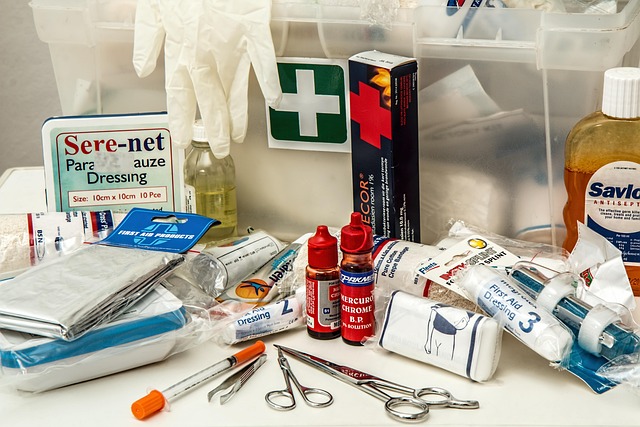
Discarding safe, usable medical supplies while patients go without is both wasteful and unjust. Healthbridge takes what would have been waste and turns it into wellness, protecting both human dignity and the environment.
The Waste Problem
The U.S. healthcare system produces 5.9 million tons of waste annually (Practice Greenhealth). Hidden within that waste are perfectly good supplies: unopened gloves, sealed bandages, unexpired medicines, and sterile gowns. At the same time, the World Health Organization reports that one in three people globally lack access to essential medicines.
This contrast is not just inefficient—it is immoral. Every day, usable materials are tossed into landfills while patients in rural and urban clinics are forced to go without. Families are turned away not because medicines do not exist, but because systems fail to move them where they are needed most. Healthbridge confronts this contradiction head-on by treating surplus as opportunity rather than refuse.
Conservation as Justice
Conservation is more than an environmental strategy—it is an ethical commitment. Healthbridge views every rescued supply as a matter of justice. By diverting surplus from hospitals, manufacturers, and communities into underserved clinics, we ensure that waste is transformed into wellness. Patients receive carefree of charge, and communities gain dignity by knowing their needs are not treated as afterthoughts.
These efforts begin in the United States, where the waste-to-need imbalance is staggering, but they also serve as models for future global expansion. If conservation can work in rural South Dakota or South Los Angeles, it can also work in Pacific islands where imports are prohibitively expensive or in remote Sub-Saharan villages struggling with chronic shortages.
(Related: read Transforming Communities Through Sustainable Projects to see how conservation connects to lasting healthcare systems.)
Smarter Systems
Conservation does not happen by accident. It requires structured initiatives and organized systems:
- Hospitals donate safe, unused surplus, from gloves to IV lines.
- Manufacturers contribute overstock and discontinued lines that remain fully functional.
- Communities organize PPE drives and hygiene kit collections, ensuring grassroots participation.
Each rescued shipment prevents waste and sustains care. By creating dependable processes, Healthbridge turns irregular donations into predictable flows of support. This organization is what distinguishes conservation initiatives from well-meaning but chaotic drives that too often end in mismatched or wasted goods.
Communities Benefiting
The impact of conservation initiatives is already visible across diverse American contexts:
- In Midwest rural clinics, sterile gloves and masks keep small practices functioning where budgets cannot stretch.
- In Arizona tribal hospitals, redirected surplus reduces dependence on costly imports.
- In Chicago’s South Side, clinics that once struggled with empty shelves now have steady access to wound care supplies and essential medicines.
- In Alaska Native villages, shipments sustain clinics cut off by storms for weeks at a time.
Each example demonstrates how conservation is more than recycling. It is a strategy that empowers communities to provide continuous care, even under difficult circumstances. Looking ahead, these models can be replicated internationally, particularly in regions where supply chains are weak and imports prohibitively expensive.
Learning from Past Failures
The history of disaster relief reveals what happens without conservation planning. After Hurricane Katrina, warehouses filled with expired or irrelevant supplies while local clinics went without critical basics. During COVID-19, some states hoarded stockpiles of PPE while others rationed masks, gowns, and ventilators.
These failures highlight the need for coordinated systems that anticipate demand and distribute resources equitably. Conservation initiatives offer a corrective. By redirecting usable surplus before crises strike, Healthbridge reduces the risk of both shortages and waste, ensuring that aid reaches patients when and where it is needed most.
A Human Perspective
Picture a small community clinic in rural South Dakota forced to turn patients away because they lack something as simple as gauze or antiseptic wipes. For families who rely on that clinic, even minor injuries become serious risks. Now imagine those same supplies—once destined for a landfill—arriving through Healthbridge. The clinic remains open, patients are treated with dignity, and families can trust that care will be there when they need it.
This is the quiet power of conservation. It is not about flashy interventions but about ensuring that the most basic, everyday needs are met. And in the future, similar initiatives could ensure that clinics abroad—from Pacific islands to African villages—never face those shortages either.
Conclusion
Conservation is not a side project—it is central to sustainable healthcare. By leading initiatives that rescue usable supplies from waste, Healthbridge ensures that lives are saved instead. Beginning here in the United States and expanding outward, our mission is clear: transform surplus into second chances, protect both people and the planet, and deliver care at no cost to those who need it most.